Featured
Table of Contents
Sorrow is a difficult process that varies from person to individual. The 5 stages of grief rejection, rage, bargaining, anxiety, and approval are a practical structure for thinking of pain, yet it doesn't imply we'll go with every phase. Likewise, we can experience these facets of sorrow at various times, and they don't happen in one certain order.

This site uses cookies to assist personalise content, customize your experience and to maintain you logged in if you sign up. By remaining to use this website, you are consenting to our use of cookies.
The 7 phases of despair are a theme for just how a person may regret. This intermittent structure is meant to assist you much better comprehend your feelings and is not meant to prescribe how you must grieve, what you must be sensation, or in which order. Every person grieves differently. Each phase may come and go or overlap the others.
Discover extra regarding the seven stages of grief. Despair can be a challenging and messy process.
How Attachment Healing Supports Professional Fulfillment
That's because nobody can ever before be truly prepared for a loss so considerable. When you are in shock after a loss, you might act normally or as if absolutely nothing has happened. Most of the time, this is due to the fact that your body has not refined the loss. You might seem like the circumstance hasn't "sunk in" right now.
These sensations and experiences are self-protective systems that serve as a barrier so that you are not overwhelmed simultaneously. Because the fatality of a loved one can have such a considerable influence on you, you might experience denial. During this stage of grief, it is just too difficult for your brain to understand that your relative, buddy, or other loved one is gone.
As you gradually start to approve the loss and what it indicates for your life currently, your rejection will certainly start to lessen. You may have a wider range of feelings and feelings when rejection disappears. Until then, you might have periods when you feel troubled, which can be triggered by reminders of your loved one.

In some situations, it's a typical feeling to wish to prevent others so that you do not need to recognize or review your loss. Sometimes, you really feel forgetful, get quickly distracted, or procrastinate during this phase of despair. You may likewise try to remain busy constantly or closed down psychologically.
When Accomplishment Cannot Resolve Psychological Struggles
In specific circumstances, you could additionally feel mad with the doctor, your pals, household members, God, or any various other soul(s) you count on. Under all that temper is your pain. While it may be uneasy to deal with, it provides extra framework to your grieving than remaining numb.
Throughout this phase, individuals often feel defenseless and helpless and ask themselves "what if" inquiries. You may really feel guilty for not doing even more to maintain the loss from occurring or for not spending even more time with the person you lost. During the negotiating stage, it prevails to wonder or claim, "I need to have done this ..." or "If I had actually just done that ..." While these types of uncertainties are typical, they are not where you want your mind to stay.
Body Memory in Complex PTSD Practitioners: Healing Through Somatic Therapy
Rather, try thinking of any kind of excellent memories you have with them. In some cases, simply assessing these thoughts can help you release the regret. It may additionally be valuable to do something particular, like write a letter to your liked one or speak to them out loud. As soon as you concern terms with the truth of the loss, a deeper level of unhappiness might begin to slip in.
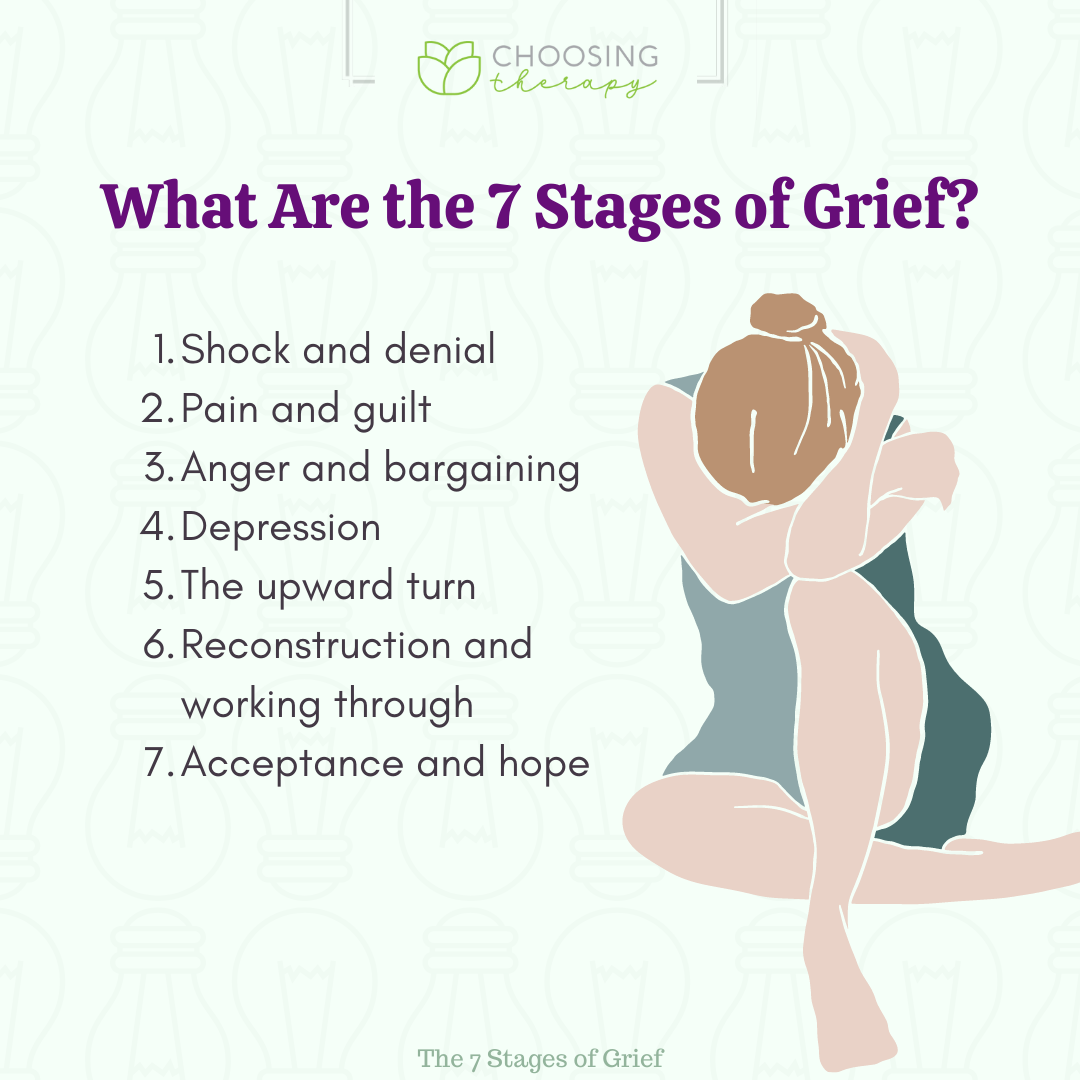
You can likewise visit for a checklist of additional sources or call the number listed below to get to Drug abuse and Mental Wellness Services Management (SAMHSA) hotline. The testing phase of the grieving procedure commonly involves attempting out different points that help you progress. In this phase, you are starting to construct your brand-new typical along with processing your sensations and feelings developed by the loss.
Getting to the approval phase does not imply you are okay with what happened. Rather, this part of the grieving process is more concerning accepting what your life appears like now. You will certainly still require to listen to your feelings and change, but you will certainly start to feel more wholeeven if it looks various than it did before.

Latest Posts
Integration between Psychodynamic Therapy and Somatic Work in Chicago
Evaluating a Potential Counselor
Non-Diet Approaches as Therapeutic Approach